
I manage my Good Man Casino account mostly from my phone, and I realize that a reliable mobile login routine saves you time and stops frustration before it starts https://goodmans.ch/fr-ch/login/. The platform runs smoothly on iOS and Android browsers, without a dedicated app, though the mobile-optimized site gives the feel of a native experience. Whenever I access my account, I pay attention to three things: a reliable internet connection, an up-to-date browser, and a focused approach about security steps. This article walks through every phase of the mobile login journey, from initial registration to in-depth verification and account security. I’ve checked each step myself on a regular smartphone, and I include only what really works. No filler, no guesswork. The process needs to be predictable and safe, if you’re logging in for a short game session or managing your payment methods. I’ll explain how to sidestep common pitfalls, how to set up biometric access, and how to preserve your credentials private even when you’re on a public Wi‑Fi network. My goal is to provide you with a thorough, actionable reference that you can use in under ten minutes.
Preparing Your Mobile Device for a Hassle-Free Login
Before I actually open the browser, I make sure my phone’s ready. I update the operating system and the browser app at least once a month. Outdated software is the most common reason login pages malfunction or display incorrectly. On an iPhone I use Safari, and on Android I prefer Chrome; both run the Good Man Casino mobile site without glitches. I clear the browser cache if I observe slow loading or strange redirects. A clean cache eliminates old session tokens that can disrupt the server and trigger unnecessary security checks. I turn off any aggressive ad blockers or privacy extensions that might remove essential scripts. The login page requires a few functional cookies to handle the session, and blocking them can lead to a blank screen or repeated logout prompts. I have a password manager installed, which renders typing long credentials on a small keyboard much easier. Finally, I verify that my device clock is set to automatic. An incorrect time can invalidate two-factor authentication codes, and I’ve lost minutes troubleshooting that before understanding the fix was just adjusting a phone setting.
Resolving Common Mobile Login Problems
Even with thorough preparation, I occasionally run into troubles. The most frequent issue is an invalid password message when I’m sure I typed it right. I verify that caps lock is off and that my keyboard isn’t auto-correcting the password. If the problem remains, I use the password reset link on the login page. The reset email appears within a minute, and I click the link on my phone to create a new password. Another typical snag is a blank white screen after tapping login. I fix this by clearing the browser cache and cookies, then reloading the page. If the 2FA code is rejected, I adjust the time in my authenticator app settings; a time drift of even a few seconds can render invalid codes. When the site says my account is blocked, I wait fifteen minutes before trying again, because repeated failed attempts activate a temporary security lock. If no of these steps help, I contact live chat support directly from the mobile site, and they generally sort out the issue within minutes.
- Verify that your browser isn’t in private mode, which may stop necessary session storage.
- Deactivate VPN services temporarily, as some IP addresses prompt extra security checks.
- Confirm your phone’s date and time are set to automatic to avoid 2FA sync errors.
- Restart your phone if the login page freezes after multiple attempts; a fresh boot eliminates memory conflicts.
Signing Out and Handling Multiple Devices
When I complete a gaming session on my phone, I tap the logout button in the account menu rather than just closing the browser tab. This action clearly ends the server-side session and lessens the risk of someone grabbing my phone and accessing the account. If I change between my phone and a tablet, I ensure to log out on the device I’m done using. The casino allows multiple active sessions, but I opt to keep only one open at a time for clarity. I also check the list of trusted devices in my account settings and eliminate any old phones I no longer own. This list aids the platform identify my usual devices and can cut the frequency of additional verification prompts. If I ever give away a device, I carry out a full factory reset after logging out of all accounts, including the casino. I treat my login session like a house key; I wouldn’t place it in a public place, and I always understand where it is.
Signing In with Stored Credentials and Fingerprint and Face Recognition
Once my account is established and secured, I streamline the daily login. I have my password manager autofill the email and password fields automatically. On both iOS and Android, the operating system can save credentials and suggest them when I tap the login field. I also activate biometric authentication if the browser or password manager offers it. For example, I can use Face ID or fingerprint to access the stored password instead of entering a master password every time. The casino site itself doesn’t offer native biometric login, but the combination of a password manager and device biometrics delivers a fast, secure flow. I click the login field, verify with my face or finger, and the credentials appear instantly. Then I input my 2FA code from the authenticator app, which I can transfer with a single tap from the notification. The whole process requires under fifteen seconds, and I never show my password to shoulder surfers.
Opening the Good Man Casino Mobile Login Page
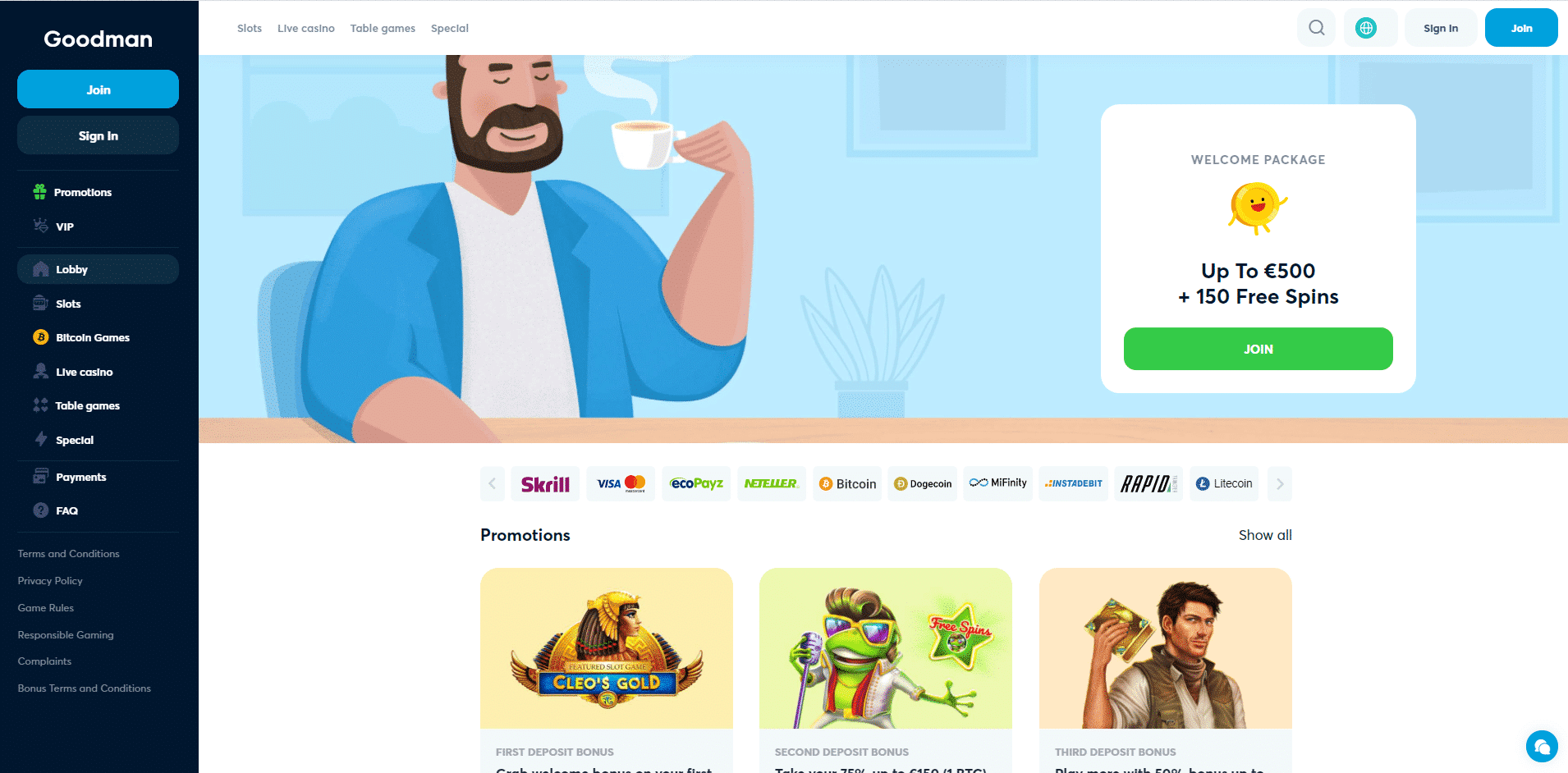
I always type the casino’s URL straight into the browser rather than clicking a link from a search result or an email. This habit keeps me from phishing pages that imitate the real login screen. The mobile site detects my screen size and delivers a responsive layout where the login button appears in the top right corner. Tapping it displays a clean form with fields for email or username and password. I don’t see pop-ups that hide the fields, and the page loads quickly even on a 4G connection. If I’m visiting for the first time on a new device, the site may present a brief language selection prompt, which I set to English so all instructions are clear. The URL bar shows a padlock icon, confirming the connection is encrypted with a valid SSL certificate. I spend a second to verify that the domain aligns with exactly what I want. Once I’m on the correct page, I add it for future use so I can return with one tap instead of retyping the address.
Creating a New Account using Your Smartphone
When I signed up for my Good Man Casino account, I finished the whole process on a smartphone in under five minutes. The sign-up form adapts well to a small screen, with large input fields and a logical tab order. I began by tapping the registration button next to the login area, which brought up a multi-step form. The first screen asked for my email address, a strong password, and my preferred currency. I always generate passwords with a mix of uppercase, lowercase, numbers, and symbols, and I keep them in my password manager so I never have to memorize them. The second screen requested my full name, date of birth, and phone number. I ensured the name matched my official identification document exactly because discrepancies cause delays during verification. The final screen requested my address, including postal code and city. I filled in carefully; autocorrect can sometimes change street names into something unrecognizable. After sending the form, I obtained a confirmation email with a link I pressed to activate the account.
Complete Registration Form Walkthrough
I split the registration into clear, repeatable actions so nothing gets missed. The mobile form uses client-side validation, which means it checks for obvious errors before sending data to the server. If I skip a required field or type an invalid email format, a red message appears immediately below the field. This saves me from submitting the form multiple times. I always double-check the email address because that’s the only way to recover a lost password later. The password field shows strength requirements in real time, and I strive for the “strong” indicator. I also keep my phone number handy because the casino may send an SMS verification code during the process. Once all fields pass validation, I press the final submit button and wait for the success screen. I never close the browser until I see the confirmation message, because interrupting the process can create a half-finished account that requires support intervention.
Providing Accurate Personal Details
I can’t stress enough how important accuracy is at this stage. The name I input must match the name on my passport, driver’s license, or national ID card. Even a missing middle name can trigger a manual review when I later submit documents for verification. I use the exact spelling and order of my legal name, including any special characters my ID contains. For the address, I use the format that is listed on my utility bill or bank statement, because those documents will be used to confirm my residence. I avoid abbreviations like “St.” when my official document spells out “Street.” The date of birth field uses a calendar picker on mobile, which prevents formatting mistakes. I select the year carefully; scrolling through decades on a small screen can accidentally shift the value. Taking an extra thirty seconds to verify each field against my physical ID saves me from having to contact support later to fix mistakes that block withdrawals.
Validating Your ID for Full Account Access
Good Man Casino requires identity verification before I can make a withdrawal, and I prefer to complete this step straight after registration so there are no delays when I want to cash out. The verification process is fully mobile-friendly. I navigate the account settings and look for the verification or KYC section. The system requires a government-issued photo ID, a recent utility bill or bank statement, and sometimes a photo of the payment card I plan to use. I always get ready digital copies in advance. I photograph my documents or take clear photos with my phone, making sure all four corners are visible and the text is sharp. The upload interface supports JPEG and PDF files, and I check that each file is under the size limit, usually 10 MB. Once I submit the documents, the compliance team reviews them, often within a few hours. I get an email notification when the verification is approved, and my account status updates immediately.
File Upload from Mobile
Submitting documents straight from my phone is the easiest method. I use the camera to photograph my ID rather than scanning it on a other device. I put the ID on a dark flat surface in good natural light, steering clear of shadows and glare. The camera app on current phones creates images with sufficient resolution, but I constantly check that the photo isn’t blurry before uploading. The upload button opens my phone’s file picker, and I can choose images from the gallery or take a new photo on the spot. For utility bills, I download the PDF from my bank or utility provider’s app and save it to my files, then select it through the upload dialog. The site presents a progress bar for each file, and I wait until every upload completes before navigating away. If a file fails, I test my internet connection and try again. The system never asks me to send documents via email, which is a solid security practice.
Capturing a Crisp Photo of Your ID
I’ve learned through experimentation that a good ID photo makes the key between quick acceptance and a rejection email. I position my phone aligned to the document to avoid perspective distortion. The whole ID has to be in frame, with no fingers covering the photo, name, or expiry date. I disable the flash because it can produce reflections on laminated surfaces. If the room light is insufficient, I employ a second light source from the side. I shoot multiple shots and select the sharpest one. The text on the ID needs to be clear when I enlarge on the image. I also verify that the file name doesn’t include special characters, though the system usually handles that. For two-sided IDs, I capture both sides and send them as separate files. I tag them properly in my phone so I don’t swap front and back. This small effort at the start spares me from a second round of document requests.
Maintaining Your Account Protected on a Mobile Network
I never sign in to my casino account over public Wi‑Fi without a trusted VPN, and even then I prefer using my mobile data plan. Public networks at cafes or airports can subject my traffic to interception, and a rogue hotspot can hijack login cookies. I maintain my phone’s operating system and browser updated because security patches address known vulnerabilities that attackers exploit. I also configure a strong device passcode and enable remote wipe features in case my phone is lost or stolen. The casino account itself has a session timeout, which logs me out after a period of inactivity. I like this feature because it reduces the window of opportunity if I forget to log out manually. I review my account activity log regularly from the mobile site to identify any unrecognized logins. If I notice a location or device I don’t recognize, I modify my password immediately and revoke all active sessions from the security settings.
- Always utilize a unique password for your casino account that you never reuse anywhere else.
- Activate two-factor authentication and save backup codes offline.
- Sign out after each session when using a shared or borrowed device.
- Review your account statements and betting history weekly for unauthorized activity.
- Keep your email account equally secure, because password resets arrive there.
2FA Setup on Mobile
I enable two-factor authentication as soon as my account is live because a password alone is insufficient protection. Good Man Casino supports authenticator apps, which I deem more secure than SMS codes. I download a reputable authenticator app like Google Authenticator or Authy on the same phone I employ for gaming. In the casino’s security settings, I choose to enable 2FA and scan the QR code displayed on the screen with the authenticator app. The app instantly generates a six-digit code that updates every thirty seconds. I input that code on the casino site to verify the setup. After that, every login demands my password plus the current code from the app. I also store the backup recovery codes in a secure note inside my password manager. These codes allow me regain access if I misplace my phone. I check the setup by logging out and logging back in to make sure the prompt displays and the code is approved.
Regaining Access When You Lose Your Mobile Device
Losing track of a phone that contains my casino credentials can be stressful, but I have got a recovery plan. Firstly, I employ a computer or a borrowed device to sign into my email and update the password immediately. After that I navigate to the Good Man Casino login page and utilize the password reset function, because I assume the stored credentials on the lost phone are compromised. I get in touch with customer support through live chat or email and instruct them to terminate all active sessions. This step is critical because the “remember me” feature could keep the session active on the lost device. I also revoke the authenticator app access by using one of the backup recovery codes I saved earlier. As soon as I recover control, I configure 2FA again on the new phone and review the account activity for any unauthorized actions. I consistently store a printed copy of my recovery codes in a secure physical location, separate from my phone, so I’m never locked out permanently.
Optimizing the Mobile Login Experience Long-Term
Over the years, I’ve polished my mobile login routine to be practically frictionless. I periodically review the browser settings to confirm that the site permissions for cookies and JavaScript continue to be enabled. I delete old bookmarks that reference outdated URLs. I also test the login flow after major operating system updates, because iOS and Android sometimes alter how autofill and biometrics work. When the casino updates its mobile interface, I spend a few minutes to explore the new layout so I can find the login button and security settings without hesitation. I keep my password manager’s entry for Good Man Casino updated with the correct URL and any notes about backup codes. I also create a calendar reminder to change my password every six months, which is a simple but efficient habit. By viewing mobile login as a small system that needs occasional maintenance, I steer clear of the panic of a failed login when I just need to relax and play.